Highlights
- Moving often requires more packing supplies than anticipated, making proper calculation essential before moving day.
- Box requirements vary based on home size, square footage, the number of occupants, and overall lifestyle density.
- Utilizing practical estimation formulas and room-by-room breakdowns prevents last-minute supply shortages and unnecessary expenditure.
- Partnering with a professional team like Dependable Movers ensures access to expert packing strategies and premium moving supplies tailored to your move.
Packing up an entire household is one of the most challenging parts of relocating. One of the most common pitfalls people encounter during a move is underestimating the sheer volume of packing supplies required. Standing in the middle of a room half-packed at midnight with empty supply bins is a situation anyone would prefer to avoid. Knowing how to accurately calculate your packing needs beforehand saves time, eliminates stress, and keeps your moving budget under control.
Whether you are preparing for a local transition across town or a major move across state lines, estimating your supply needs requires a structured approach. Understanding population movements and relocation trends can also provide perspective on how common moving has become. For instance, according to Mercatus Center, Idaho experienced the nation’s highest positive net migration rate at +63.1%, illustrating how thousands of households regularly face the logistical challenge of packing up their lives.
To help you navigate your upcoming relocation seamlessly, this comprehensive guide breaks down the math, science, and room-by-room strategies needed to figure out exactly how many boxes you need before you tape up your first carton.
Estimating Box Counts by Home Size
While every household features a unique collection of belongings, industry standards offer a solid starting baseline. Professional movers generally calculate box requirements using square footage, room count, and length of residency.
As a general guideline, plan for approximately 10 to 15 boxes per room. However, this number fluctuates significantly based on how long you have lived in your current residence. The longer you remain in one place, the more items you naturally accumulate.
1. Studio or One-Bedroom Apartment
- Estimated Total Boxes: 15 to 30 boxes
- Recommended Breakdown:
- Small Boxes: 10–15
- Medium Boxes: 8–12
- Large Boxes: 4–8
- Extra-Large Boxes: 2–4
For smaller spaces, a compact living area usually requires fewer heavy-duty containers. However, book collections or extensive wardrobes can quickly increase these totals. Hiring a reliable residential mover can help assess compact spaces accurately to avoid buying unnecessary materials.
2. Two-Bedroom Home or Apartment
- Estimated Total Boxes: 30 to 50 boxes
- Recommended Breakdown:
- Small Boxes: 15–25
- Medium Boxes: 12–20
- Large Boxes: 6–10
- Extra-Large Boxes: 3–5
A two-bedroom property usually includes a dedicated kitchen, living area, and expanded storage closets. A professional residential mover often recommends stocking up on medium-sized containers for these spaces, as they offer the ideal balance between capacity and manageable lifting weight.
3. Three-Bedroom Home
- Estimated Total Boxes: 50 to 80 boxes
- Recommended Breakdown:
- Small Boxes: 25–35
- Medium Boxes: 20–30
- Large Boxes: 10–15
- Extra-Large Boxes: 5–8
When packing a full family home, specialty containers—such as wardrobe boxes and heavy-duty dish packs—become essential. Experienced professionals at Dependable Movers emphasize the importance of using sturdy, standardized containers for large-scale moves to ensure safe stacking inside the moving truck.
4. Four-Bedroom Home or Larger
- Estimated Total Boxes: 80 to 120+ boxes
- Recommended Breakdown:
- Small Boxes: 40–50
- Medium Boxes: 30–40
- Large Boxes: 15–25
- Extra-Large Boxes: 8–12
Large homes often feature garages, basements, attics, and outdoor gear. Working alongside an experienced residential mover ensures that large-volume packing stays organized through precise box labeling and color-coding systems.
Selecting Proper Box Types and Sizes
Not all boxes serve the same purpose. Packing heavy books into a large box will make it nearly impossible to lift and increases the risk of the bottom bursting open. Understanding container categories helps you distribute weight effectively:
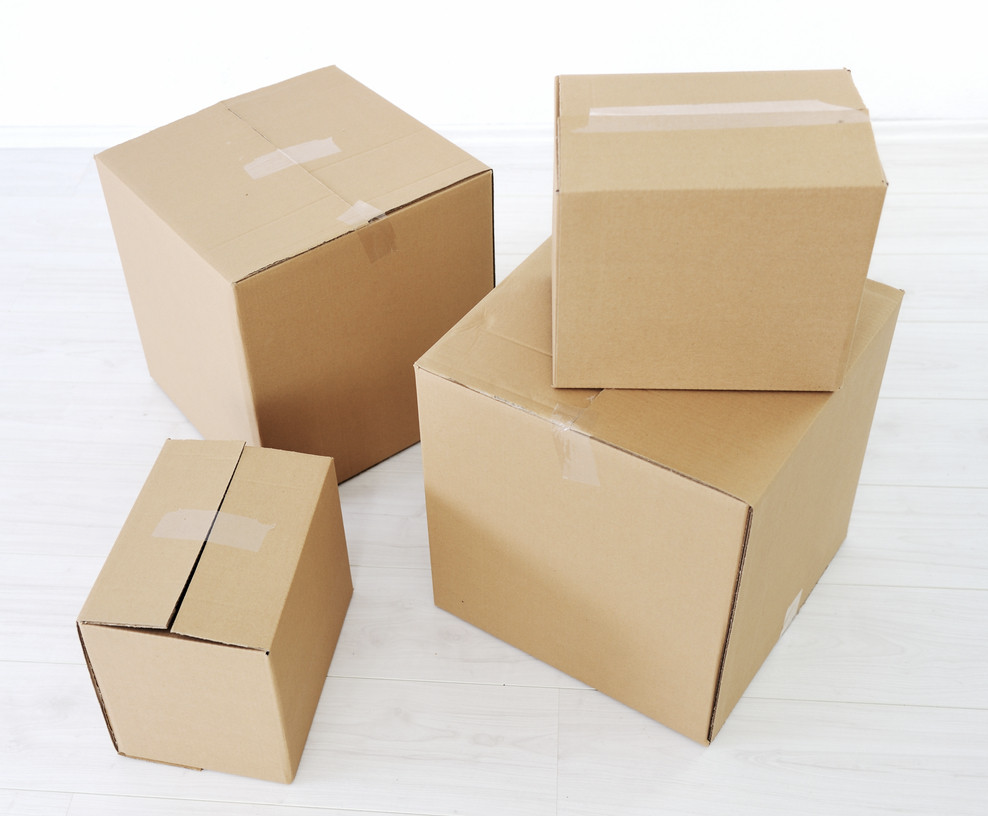
- Small Boxes (1.5 cu. ft.): Ideal for heavy, dense items such as books, canned goods, kitchen utensils, tools, and small electronics.
- Medium Boxes (3.0 cu. ft.): The workhorse of any move. Perfect for pots, pans, small appliances, clothing, toys, and linens.
- Large Boxes (4.5 cu. ft.): Best suited for lightweight, bulky items like pillows, blankets, towels, sofa cushions, and lampshades.
- Extra-Large Boxes (6.0 cu. ft.): Designed for large, non-heavy items such as winter coats, comforters, oversized plush items, and patio cushions.
- Specialty Boxes: Includes wardrobe boxes with hanging bars, heavy-duty dish barrel boxes with cellular dividers, and flat-screen TV cartons.
According to United States Postal Service, standard cardboard boxes are engineered with specific burst-strength ratings, meaning overloading large boxes with heavy items can compromise their structural integrity. Relying on a professional residential mover ensures you utilize proper box dimensions for maximum safety during transport.
Evaluating Supply Needs Room by Room
To refine your estimate beyond basic formulas, evaluate your home room by room:
The Kitchen
The kitchen is universally acknowledged as the most complex room to pack. Between fragile glassware, heavy cookware, and pantry items, a typical kitchen requires between 10 and 20 boxes alone. Be sure to allocate extra budget for dish-partition kits and heavy-duty packing paper.
Bedrooms and Closets
On average, expect 8 to 12 boxes per bedroom. Wardrobe boxes are extremely useful here; one standard wardrobe box holds approximately two feet of closet hanging rod space.
Living Room and Family Area
Living areas typically require 8 to 15 boxes. Books, framed artwork, board games, electronics, and decorative accents require plenty of small and medium containers, along with ample bubble wrap.
Storage Areas (Garage, Attic, Basement)
Storage spaces vary wildly. A minimal garage may only need 5 boxes, while a workshop or packed basement can easily require 20 to 30 heavy-duty small and medium cartons.
Wrapping Up Your Packing Strategy
Calculating how many boxes you need before packing doesn’t have to involve frustrating guesswork. By utilizing square footage benchmarks, conducting a room-by-room inventory, and accounting for your personal belongings, you can secure the precise amount of supplies necessary for a smooth relocation. Proper preparation protects your valuable items and makes moving day significantly more manageable.
When you want to eliminate the stress of packing and moving altogether, partner with the trusted professionals at Dependable Movers. From delivering top-tier packing materials to providing full-service residential moving solutions, their experienced crew ensures every item arrives safely at your new destination. Contact Dependable Movers today to request your personalized moving quote and take the first step toward a hassle-free move!
Frequently Asked Questions
How many boxes do I need for a standard 2-bedroom apartment?
According to general moving industry standards, a standard two-bedroom apartment typically requires between 30 and 50 boxes. This estimate generally includes a balanced mix of 15–25 small boxes, 12–20 medium boxes, 6–10 large boxes, and 3–5 extra-large or specialty containers, depending on how much decor and kitchenware you own.
Should I buy all the same size moving boxes or a mix?
According to packing experts, you should always purchase a variety of box sizes rather than a single uniform size. Using a mix of small, medium, large, and specialty boxes allows you to distribute weight safely—packing heavy items in smaller boxes and lightweight, bulky items in larger ones—which protects your belongings and prevents physical strain.
How can Dependable Movers assist with my packing supply needs?
Dependable Movers offers complete packing solutions tailored to your unique household size. Our expert team provides customized moving packages, supplying high-quality boxes, specialty wardrobe cartons, dish-packing materials, and professional packing services to ensure your entire move is handled with efficiency and care.