Highlights
- Cleaning floors before moving day removes grit and debris that can act like sandpaper under furniture.
- Protective coverings such as runners, moving blankets, and floor protection film create a barrier in high-traffic areas.
- Felt pads and furniture sliders help prevent scratches when items need to be repositioned.
- Professional movers lift and carry heavy pieces rather than dragging them across hardwood.
- Planning a clear path through the home reduces bumps, sharp turns, and accidental gouges.
- Dependable Movers SF helps Bay Area households move with care, from packing to final placement.
Hardwood floors are one of the most beautiful features a home can have. They add warmth and character, and in many Bay Area homes, they’ve been part of the space for decades. Unfortunately, moving day is one of the riskiest times for these floors, with heavy furniture, rolling dollies, and constant foot traffic all passing over the same surfaces.
A single dragged dresser or a pebble stuck under a box can leave a scratch that takes refinishing to fix. For renters, that damage could mean losing part of a security deposit. For homeowners, it can mean costly repairs right as you’re trying to sell or settle into a new place.
Moving is a common experience across the country, with millions of people packing up their homes each year. According to Mercatus.org, in 2023 alone, 6.7 million Americans moved across state lines. Whether you’re relocating to another state or just across town, protecting your floors should be part of the plan from the very beginning.
At Dependable Movers SF, we’ve been helping families and businesses throughout the Bay Area since 2018. As a local moving company, we understand the unique challenges of San Francisco homes, from narrow hallways to older hardwood floors. Below, we share practical ways to keep your floors safe and scuff-free on moving day.
Cleaning Floors Before the Movers Arrive
Dirt and grit are some of the biggest threats to hardwood during a move. Small particles of sand, dust, and debris can get trapped under shoes, boxes, or furniture legs, scratching the finish as items move across the floor. In a busy household, these particles can build up quickly.
Sweeping or vacuuming thoroughly the night before or the morning of your move helps remove this hazard. Paying special attention to entryways and hallways, where most of the traffic will happen, makes a noticeable difference. A clean floor gives any protective coverings a better surface to grip, too.
Laying Down Protective Coverings
One of the most effective ways to protect hardwood is to cover it. Floor runners, rosin paper, moving blankets, and specialty floor protection film can all create a barrier between your floors and heavy foot traffic. These materials are especially helpful in hallways, entryways, and other high-traffic paths.
Floor protection matters even more for renters. According to HousingWire, renters account for 61% of all moves, which means many people on moving day are protecting floors that can affect their security deposit. It’s important to choose coverings that stay securely in place. Loose rugs or blankets can slide underfoot, creating tripping hazards and allowing dirt to slip beneath them. When you work with a local moving company, ask what floor protection is included so you know what to expect before moving day.
Adding Felt Pads to Furniture Legs
Furniture legs are a common source of scratches, especially on chairs, tables, and dressers that may be repositioned several times during a move. Adding felt pads to the bottom of each leg creates a soft buffer between the furniture and the floor.
These pads are inexpensive and easy to install, and they continue protecting your floors long after the move is complete. Furniture sliders can also be useful for small adjustments, allowing pieces to glide into final position rather than being pushed or scraped across the surface.
Using the Right Moving Equipment
The tools used on moving day can either protect your floors or damage them. Dollies with hard or worn wheels can leave marks, while appliance hand trucks without proper padding can dent or scratch hardwood. Using equipment with clean, soft, non-marking wheels helps reduce that risk.
Experienced movers know how to match the right tool to each item. Furniture dollies, padded hand trucks, and lifting straps allow heavy objects to be moved safely and efficiently. Choosing a professional local moving company means your crew arrives with the right equipment and knows how to use it carefully.
Lifting Heavy Items Instead of Dragging
Dragging is one of the fastest ways to damage hardwood floors. Couches, dressers, appliances, and bookcases are heavy enough to leave deep scratches or gouges if they’re pulled across the surface, even for a short distance.
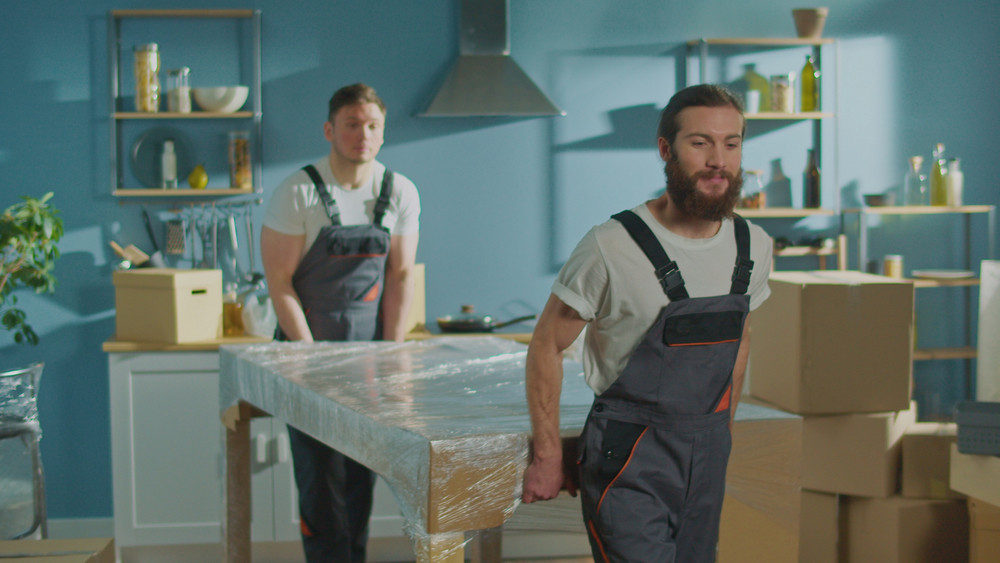
Professional movers lift and carry heavy items whenever possible, using teamwork and proper technique to keep weight off the floor. Large or awkward pieces may also be partially disassembled to make them lighter and easier to handle. This careful approach protects both your floors and your belongings.
Mapping a Clear Path Through the Home
Before moving day begins, it helps to plan the route that furniture and boxes will take from each room to the door. Clearing hallways, removing rugs that could bunch up, and taking down obstacles reduces the chance of sudden stops, sharp turns, or accidental bumps.
Many San Francisco homes feature tight staircases, narrow doorways, and older layouts that require extra planning. A local moving company familiar with these features can help map out the safest route for each item. Thoughtful planning keeps the move efficient while minimizing wear on your floors.
Watching for Moisture and Grit at Entryways
Bay Area weather can change quickly, and foggy mornings or rainy days can bring moisture into the home. Wet shoes and damp boxes can leave water marks or create slippery spots on hardwood floors. Moisture also helps dirt stick to surfaces, increasing the risk of scratches.
Placing absorbent mats at each entrance and keeping a towel nearby for quick cleanups helps protect your floors. It’s also worth checking entryways periodically throughout the day to remove any buildup of dirt or debris tracked in from outside.
Moving With Confidence Alongside Dependable Movers SF
Protecting hardwood floors on moving day comes down to preparation, the right materials, and careful handling. Cleaning floors beforehand, using protective coverings, adding felt pads, and lifting rather than dragging all help your floors look just as good after the move as they did before.
Dependable Movers SF is ready to make your next move smooth and stress-free, whether you’re moving across the city or across the country. Contact Dependable Movers SF today to request a quote from a local moving company that treats your home with care.
Frequently Asked Questions
How do you protect hardwood floors when moving furniture?
Start by cleaning the floors and laying down protective coverings like runners or floor protection film in high-traffic areas. Adding felt pads to furniture legs and lifting heavy items instead of dragging them also helps prevent scratches.
Do movers protect your floors?
Many professional movers use floor runners, moving blankets, and padded equipment to protect floors during a move. It’s always a good idea to ask about floor protection when requesting a quote so you know exactly what’s included.
What services does Dependable Movers SF offer?
As a local moving company serving the Bay Area, Dependable Movers SF offers local and long-distance moves, packing and unpacking, office relocations, and white-glove handling for fragile or valuable items. Our team also offers storage solutions for customers who need extra time or space during their move.