
A luxury closet is not just a row of hangers and shoe boxes. It is a carefully built collection of tailoring, fabric, structure, and sentiment. It might hold custom suits that fit like architecture, gowns stored in garment bags like heirlooms, handbags that need shape retention, or seasonal pieces that cannot simply be folded into a cardboard box and forgotten until move-in day. Moving that kind of wardrobe takes more than muscle. It takes planning, patience, and the kind of handling you would expect for anything expensive, delicate, and hard to replace.
In San Francisco, the challenge gets sharper. A move here often means steep staircases, narrow hallways, Victorian homes with tight turns, limited loading space, apartment elevators with strict time windows, and parking rules that do not care how valuable your closet is. That is why people searching for wardrobe movers san francisco are usually not looking for the cheapest option. They are looking for movers who understand that a luxury closet is part logistics project, part preservation job.
Why a Luxury Closet Needs a Different Moving Plan
A basic move treats clothing like soft goods. A luxury move does not. Premium garments react to pressure, moisture, heat, folding, and friction. Structured jackets can lose their shape. Silk can snag on rough surfaces. Leather can scuff or dry out. Beading, sequins, and embellishments can catch if pieces are packed too tightly. Shoes can warp when they are crushed together in the wrong container. Designer handbags can collapse if they are not stuffed and supported.
There is also the issue of value concentration. A single wardrobe rack may hold more value than an entire living room. When that is the case, the moving process has to shift from “how do we pack this fast?” to “how do we move this with control?” That means using wardrobe boxes correctly, separating by fabric type and length, protecting accessories individually, and building a loading plan that keeps your clothing from being pinned under bulkier household items.
What Wardrobe Movers in San Francisco Should Understand Before Move Day
Not every moving crew is built for this kind of work. A team moving a luxury closet should understand both garment care and city logistics. In San Francisco, that combination matters more than people think. A closet move in a high-rise near downtown looks very different from a move out of a Pacific Heights home or a multi-level property with narrow interior stairs in Noe Valley. The route from closet to truck is part of the protection plan.
Experienced movers know to ask the right questions early. Are there long dresses, tuxedos, or couture pieces that must remain hanging? Are there climate-sensitive materials like suede, fur, leather, or vintage textiles? Are there watches, jewelry, or accessories that need separate coordination? Is there a closet system being disassembled and reassembled? Is there a loading dock reservation, elevator certificate, or building time restriction? A smooth move starts with details like these, not with a truck showing up and improvising.
Start With a Wardrobe Inventory, Not a Pile of Boxes
Before anything is packed, create a real inventory of the closet. Not a vague mental note. A written, photographed, or app-based inventory. Break it into categories: hanging garments, folded knitwear, shoes, handbags, belts, hats, jewelry, watches, and specialty items. If you own custom or high-ticket pieces, note brand, material, and condition.
This step does two things. First, it helps you decide what needs special handling. Second, it gives you control during unpacking. A luxury closet can become chaotic fast during a move because so many small, high-value items are involved. Inventory keeps the process from turning into a scavenger hunt three days later when you are trying to find one pair of heels for a dinner event and realize they were packed with winter scarves.
It is also smart to identify the pieces you will transport personally. Fine jewelry, irreplaceable watches, passports, and the smallest high-value accessories are often better kept with you rather than loaded on the truck. Good movers will tell you that plainly.
The Right Packing Methods for High-End Clothing
Luxury garments should be packed according to structure, fabric, and travel distance. This is where wardrobe movers san francisco clients hire can make a visible difference. The right crew does not just move clothes. They preserve the way those clothes arrive.
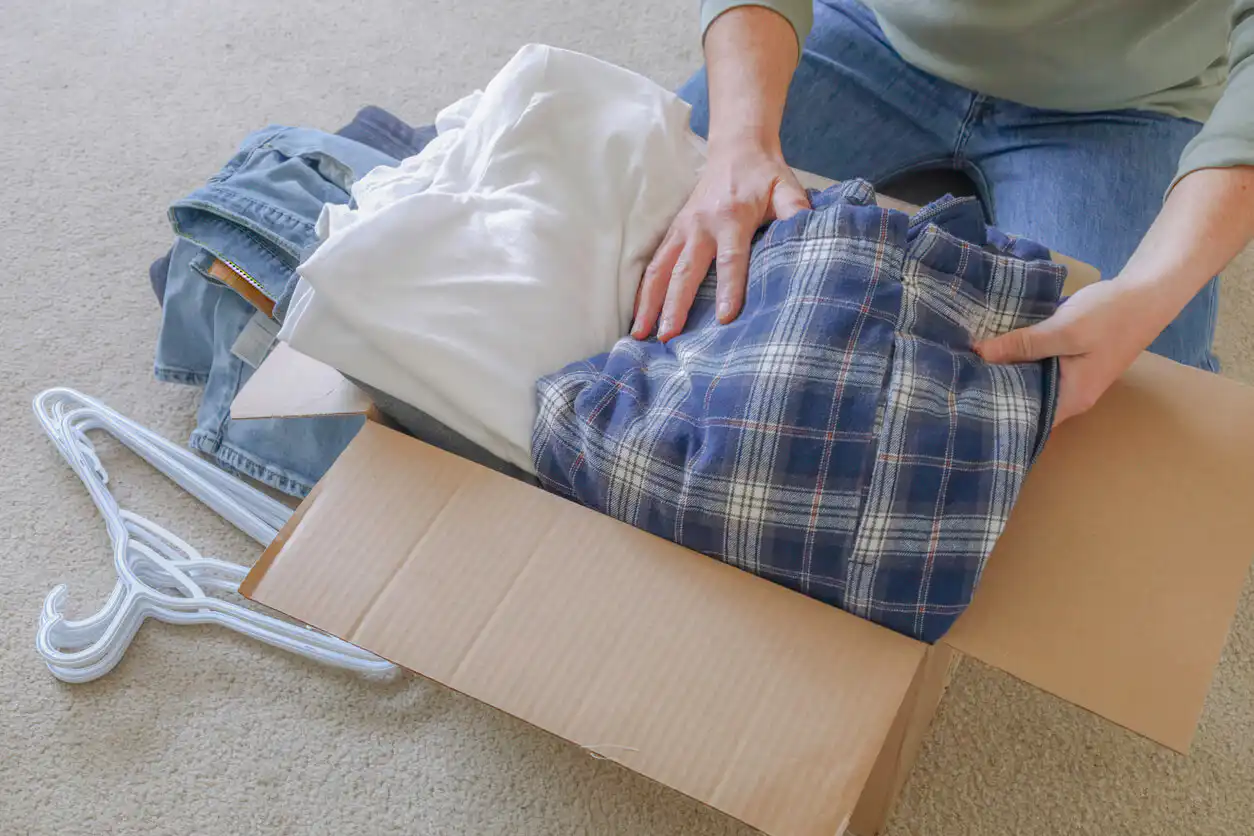
For hanging items, wardrobe boxes are usually the first line of defense. These tall boxes allow garments to stay on hangers, reducing wrinkles and preserving shape. But even wardrobe boxes have limits. Overpacking them can crush sleeves, distort shoulders, and create drag on delicate hems. Long garments may need extra-length hanging solutions or careful layering with breathable protective covers.
For folded items like cashmere, merino wool, and soft knitwear, clean packing paper and structured cartons are better than overstuffed trash bags or loose bins. Knitwear should not be hung for long periods if it tends to stretch. Shoes should be packed in pairs with support inside to maintain shape. Handbags should be emptied, lightly stuffed, and wrapped so hardware does not scratch leather or neighboring items.
Garment bags are useful, but they are not magic shields. Thin retail garment bags tear easily and do almost nothing against compression. For premium pieces, movers may use heavier protective materials and separate handling procedures. Think of it like the difference between carrying a painting in newspaper and transporting it in a crate. Both are technically movement. Only one respects the object.
How to Prepare Your Closet One Week Before the Move
A week before moving day, start reducing last-minute decisions. Have your wardrobe cleaned if needed, especially if pieces have been in long-term storage or need stain treatment. Dirt and oils can set deeper during storage or transit if garments are packed without attention. Make sure everything going into boxes is dry, clean, and ready to be stored for at least a short period.
Now separate the closet into three groups: move hanging, move boxed, and carry personally. This is also the moment to edit. Even a luxury closet benefits from restraint. If something no longer fits, no longer suits your life, or has not been worn in years, moving it just because it is expensive can become an expensive form of procrastination. A move is one of the few times you get to reset the system.
Label by category and destination, not just by room. “Primary closet – dresses,” “entry wardrobe – coats,” or “shoe wall – right side shelving” is much more useful than writing “clothes” on fifteen boxes and hoping for the best.
Closet Systems, Dressing Rooms, and Custom Storage Installations
In many upscale homes and condos, the closet itself is part of the project. Built-in shelving, glass-front cabinets, valet rods, island drawers, and custom shoe walls may need to be disassembled before the wardrobe can be removed cleanly. If your move includes a custom closet system, mention it early. That changes labor, timing, and sometimes truck space.
San Francisco homes often add another wrinkle: older architecture. Floors may not be level. Doorways may be narrower than expected. Staircases can be dramatic in photos and inconvenient in real life. Movers familiar with local homes know how to protect walls, corners, banisters, and entryways while maneuvering racks, boxes, and closet components out of the property. That experience matters because luxury moving is not just about what gets packed. It is also about what does not get damaged on the way out.
Climate, Moisture, and Transit Concerns in the Bay Area
The Bay Area’s weather is not extreme in the way some regions are, but it still affects wardrobe moves. Fog, damp air, and coastal moisture can be rough on certain materials if garments sit too long in poor packing conditions. Leather, suede, silk, and vintage textiles benefit from breathable protection and efficient transfer, especially if the move starts early in the morning or involves temporary storage.
This is another reason why careful route planning matters. A delayed move with repeated loading interruptions is annoying for anyone. For a luxury wardrobe, it can also increase exposure to moisture, dust, and handling risk. A well-run moving team plans the order of loading so clothing and accessories are not left vulnerable while larger furniture pieces are still being figured out.
Common Mistakes People Make When Moving an Expensive Wardrobe
The first mistake is underestimating volume. Closets expand when they leave the closet. What looked compact on built-in rods suddenly becomes dozens of hanging feet, stacks of boxes, and small accessories that require their own packing logic. People often think, “It is just clothes,” until the packing materials cover half the bedroom.
The second mistake is using the wrong containers. Trash bags, grocery bags, overfilled suitcases, and random plastic totes are fine for a college move. They are a bad idea for tailored garments, luxury shoes, and structured handbags. The third mistake is mixing categories carelessly. Belts with jewelry, shoes with knitwear, hardware against silk, perfume packed near leather. This is how preventable damage happens.
Another common problem is waiting too long to communicate with movers. If you have a closet with unusual value, volume, or complexity, say so upfront. Good movers would rather prepare than apologize.
What to Expect From Professional Wardrobe Movers in San Francisco
Professional wardrobe movers should bring a system, not just supplies. That includes a pre-move discussion about garment types, a clear packing plan, proper wardrobe cartons, protective materials for accessories, and a loading strategy that prevents crushing and confusion. They should also understand timing, building access, and the practical headaches unique to moving in San Francisco.
You should expect communication. If a crew is moving delicate fashion pieces, they should confirm what stays hanging, what gets boxed, what you want access to first, and what should never be stacked. They should move with intention. Not with panic, not with rough speed, and not with the kind of slapdash energy that treats your closet like bulk inventory in a warehouse.
For clients with white-glove expectations, the process may also include placement and organization at the destination. That can mean re-hanging garments by category, setting shoes in designated storage, and helping restore enough order that your new closet feels usable right away rather than weeks later.
Unpacking Without Turning the New Closet Into Chaos
The move is not over when the truck leaves. A luxury closet needs a clean re-entry. Before unpacking starts, make sure the new closet is ready. Shelving should be installed, rods secured, drawers clean, and the space free of dust from any recent work. There is no point in protecting garments carefully during transport only to place them into a half-finished closet coated with construction grit.
Unpack in layers. Start with hanging garments that need shape preservation, then shoes, then handbags and folded items. Put occasionwear, businesswear, and daily essentials where you can reach them first. If the closet is large, resist the urge to recreate everything instantly. Build zones with intention. A well-organized closet after a move feels less like unloading cargo and more like setting a stage.
When White-Glove Moving Is the Right Choice
If your wardrobe includes couture, collectibles, archival vintage, designer accessories, or a large custom closet installation, white-glove service is often the right fit. This level of moving is not about luxury for its own sake. It is about risk reduction. The more specialized the items, the more costly mistakes become.
White-glove movers typically offer a more detailed handling process, more protective materials, and more coordination from packing through placement. For a luxury closet, that can be the difference between an orderly transition and a week of repairs, steaming, sorting, and replacing damaged items. When the contents of the closet represent years of investment, personal taste, and sometimes sentimental milestones, careful service is not indulgent. It is practical.
Final Thoughts on Moving a Luxury Closet in San Francisco
A luxury closet move is one of those jobs that looks simple from across the room and becomes intricate the moment you touch the first hanger. The clothing is delicate. The accessories are easy to mishandle. The city adds logistical friction at every step. And the cost of getting it wrong can be painfully high.
That is why many people looking for wardrobe movers san francisco are really looking for something more specific: movers who can treat a closet like a curated collection, not an afterthought. In a city full of tight corners, steep streets, and fast-moving schedules, the safest move is the one built on preparation, communication, and respect for the details.
If your upcoming move includes designer clothing, premium accessories, or a custom dressing room setup, work with movers who understand both the value of the items and the realities of moving through San Francisco. When the process is handled well, your wardrobe does not just arrive. It arrives ready for the next chapter.